
 (512 x 180 px) (1536 x 540 px) (1).jpg)
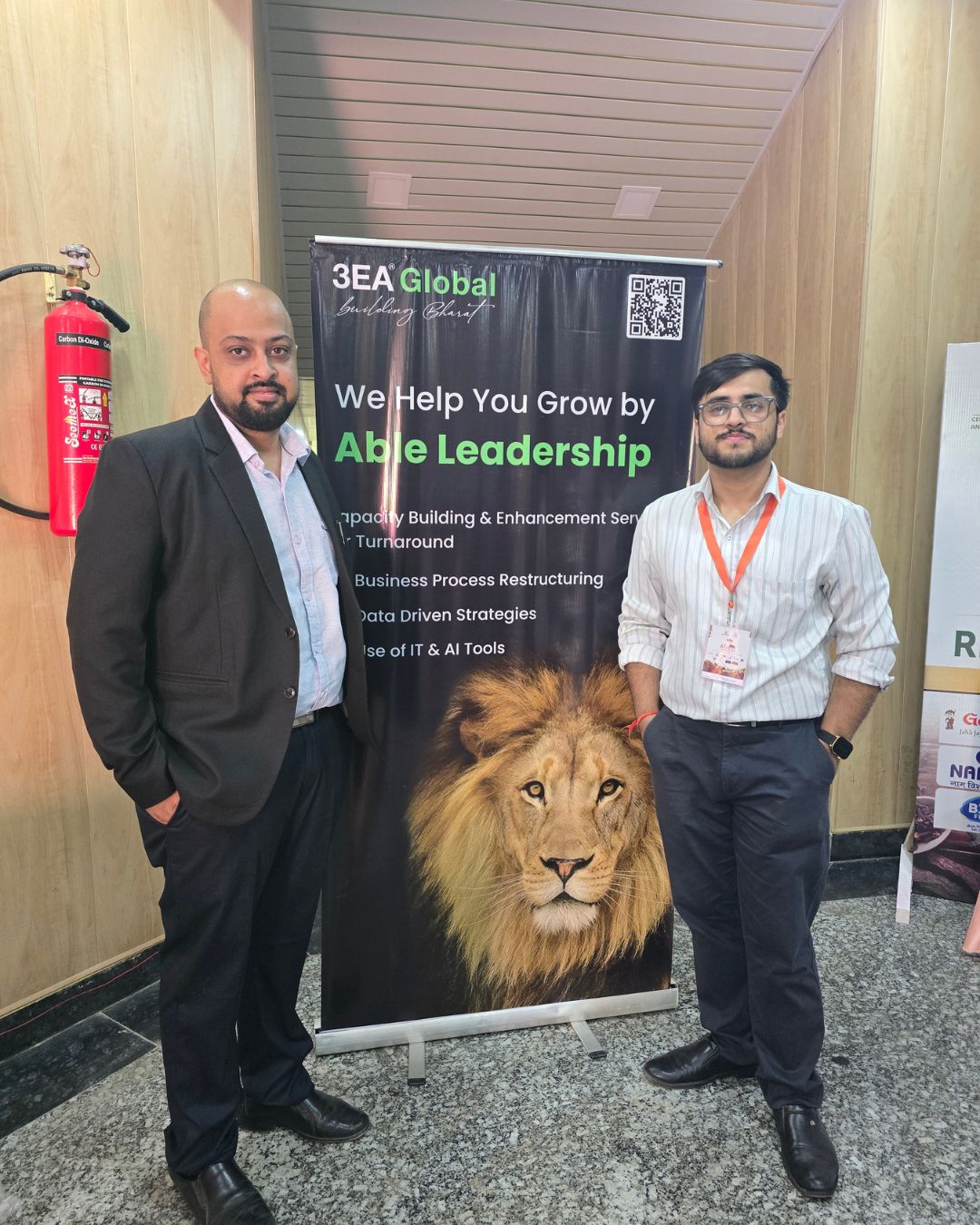
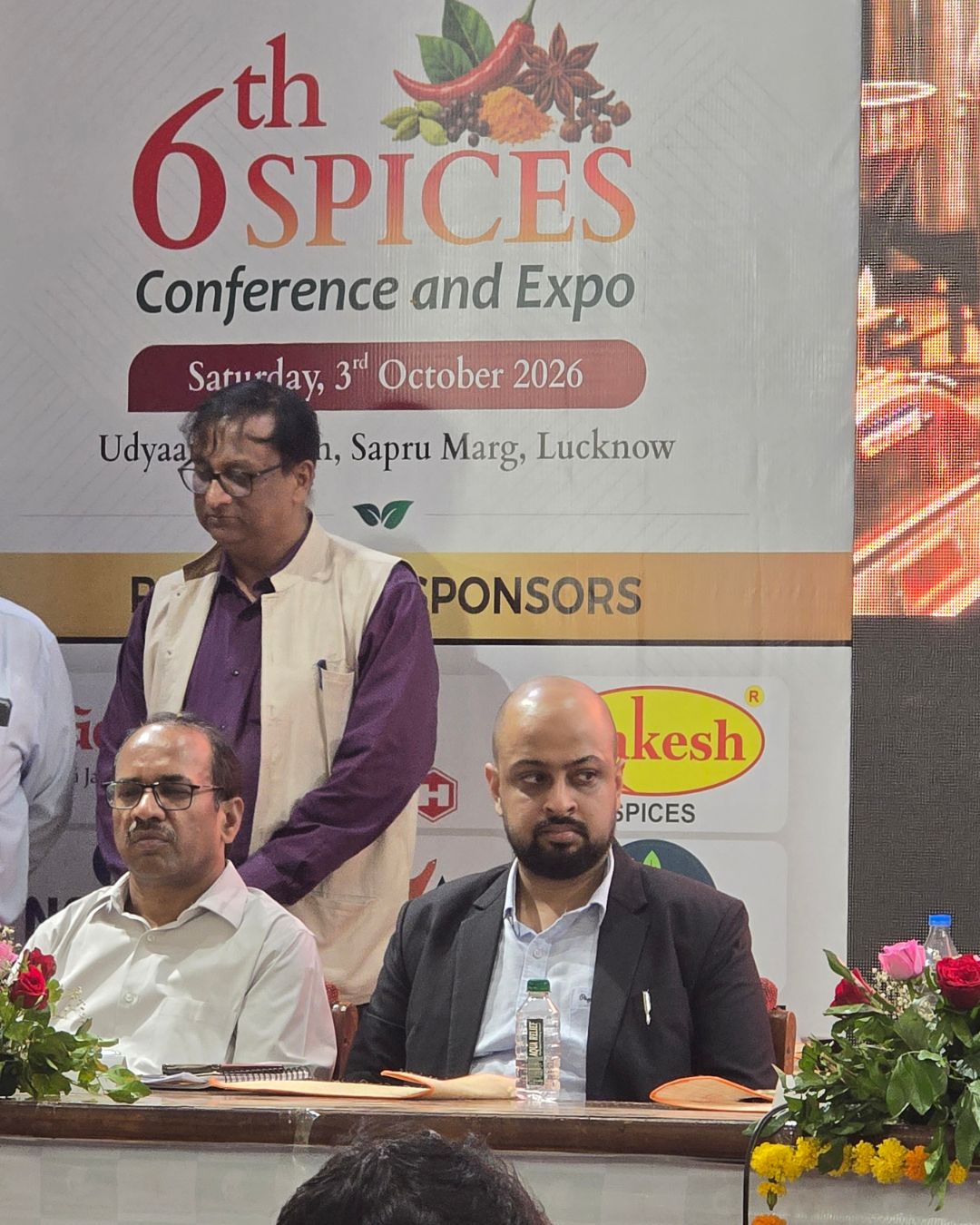
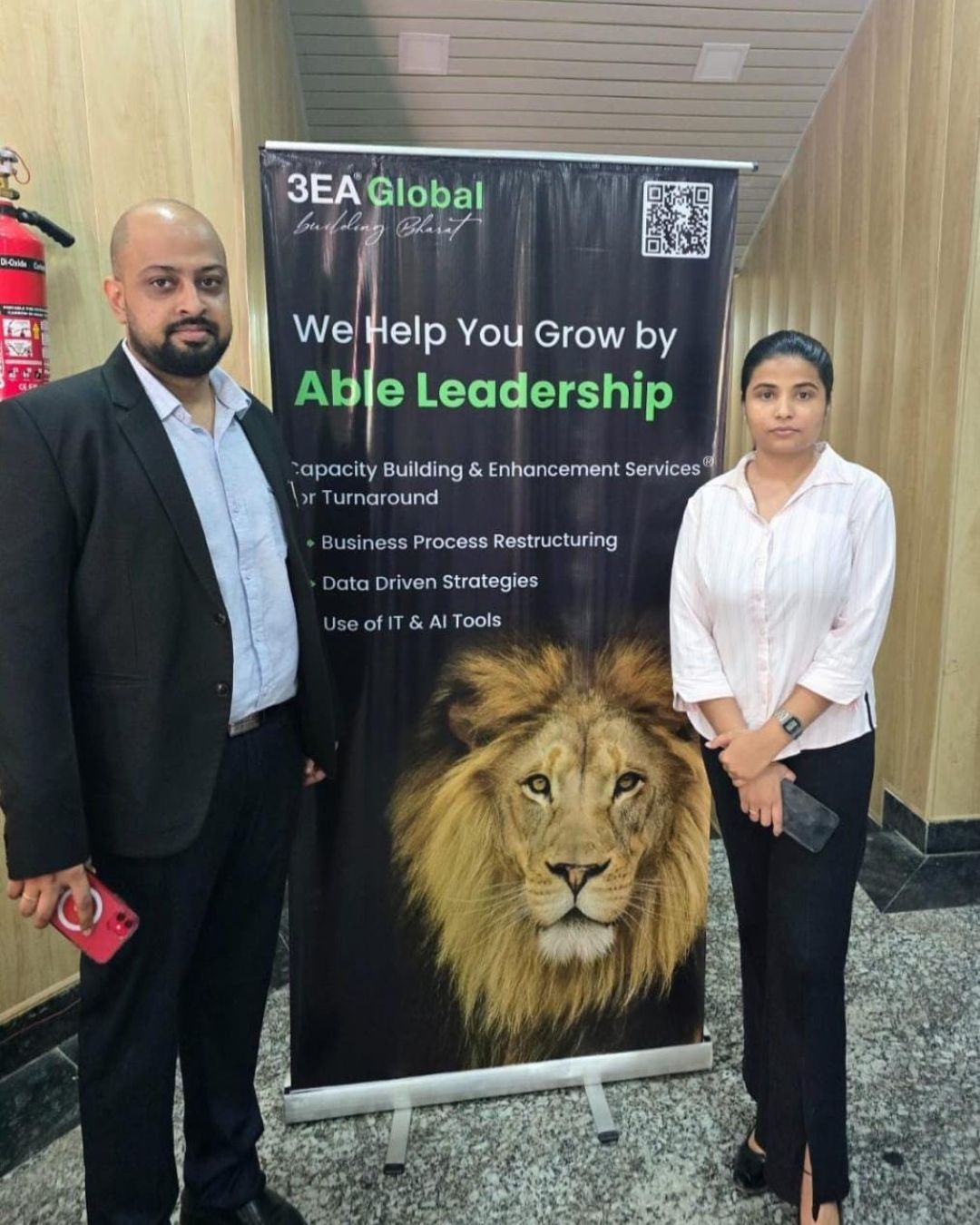
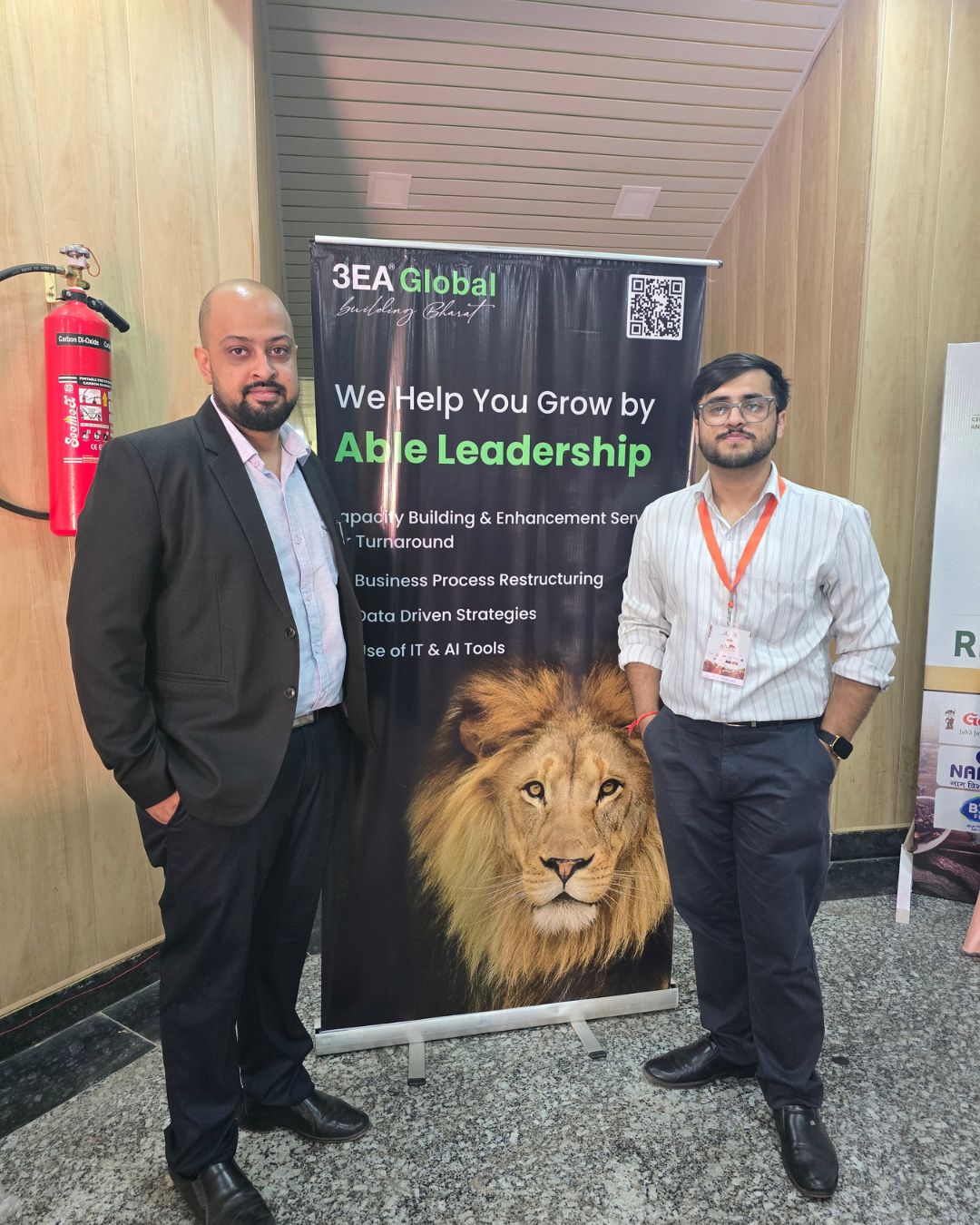
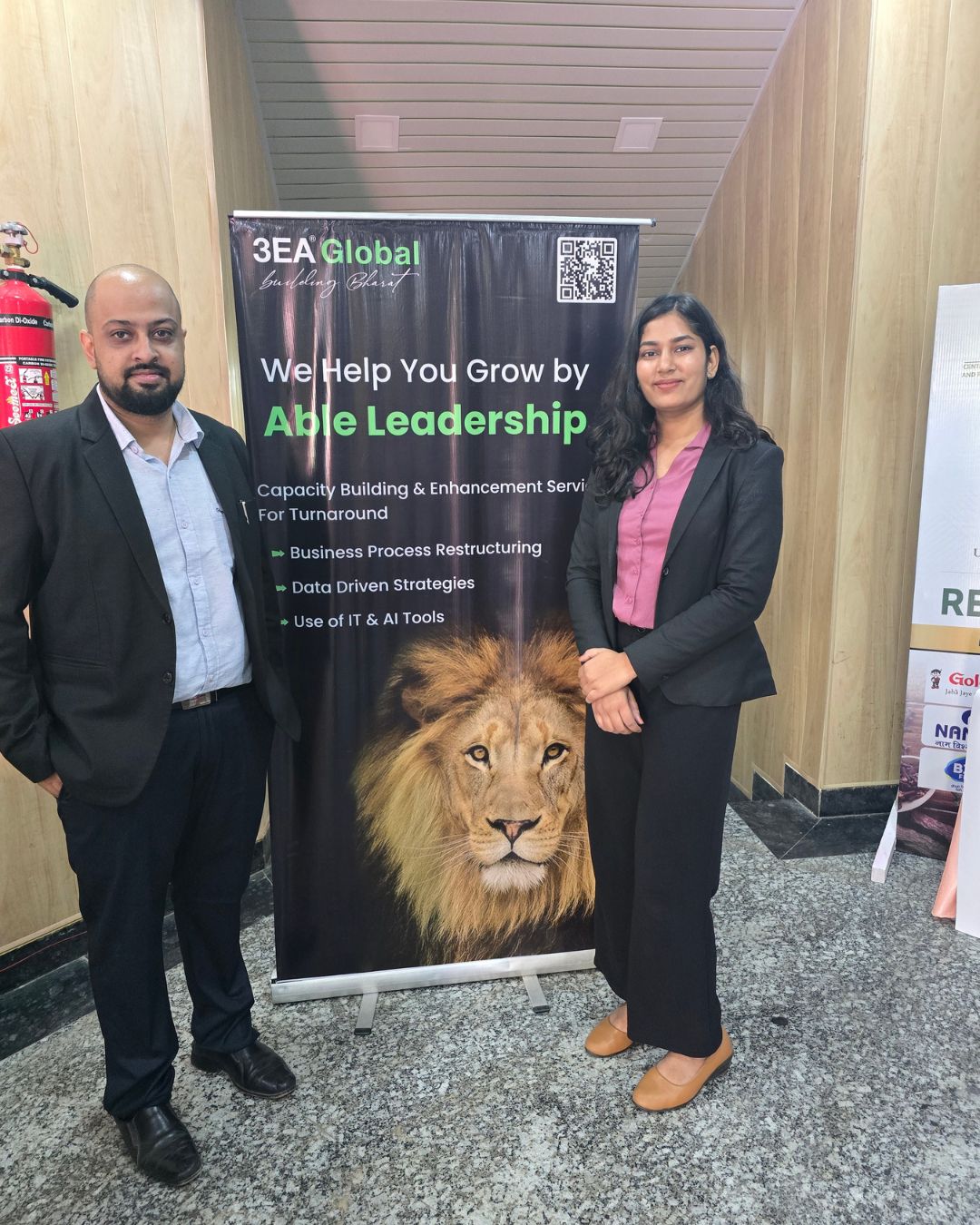
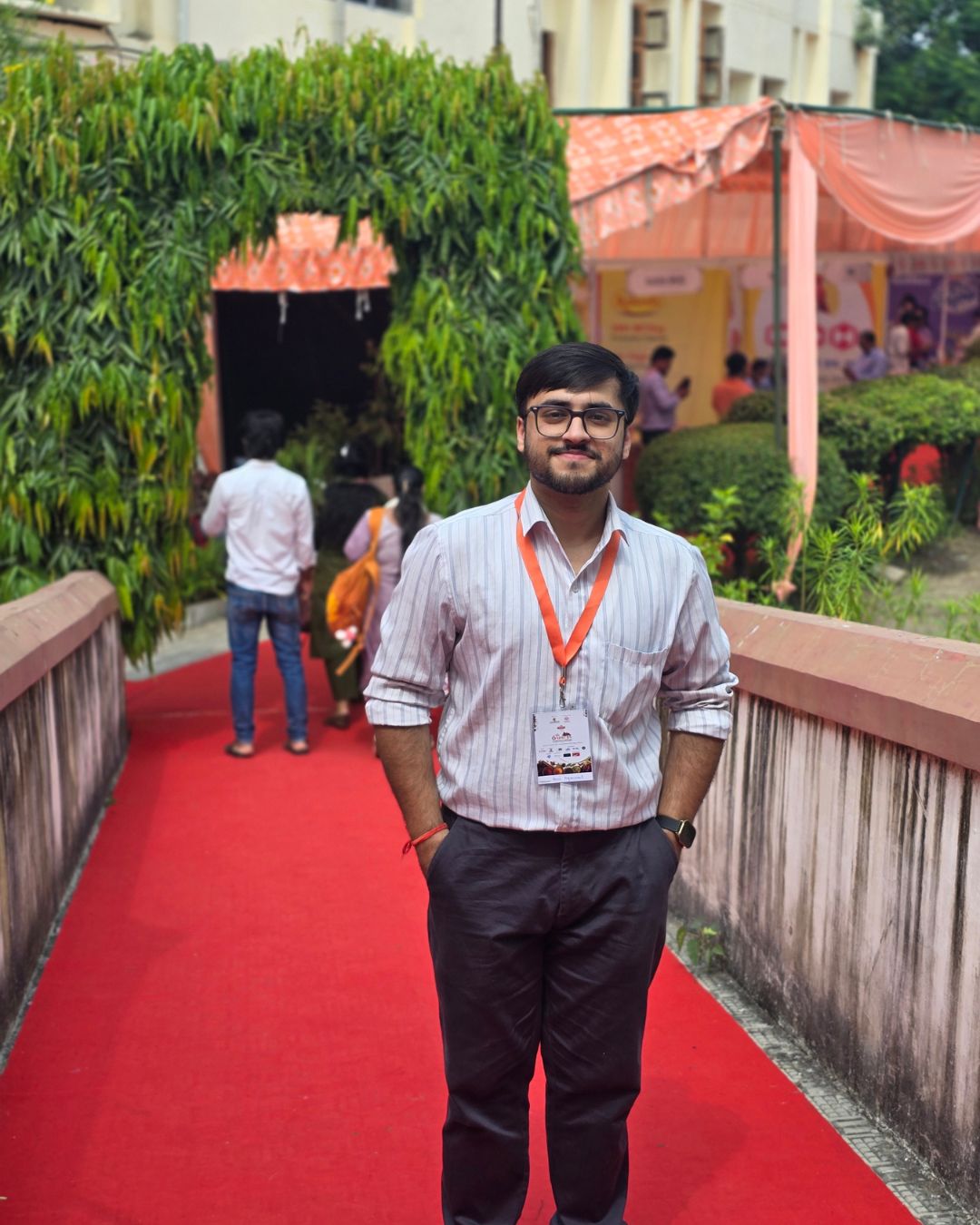
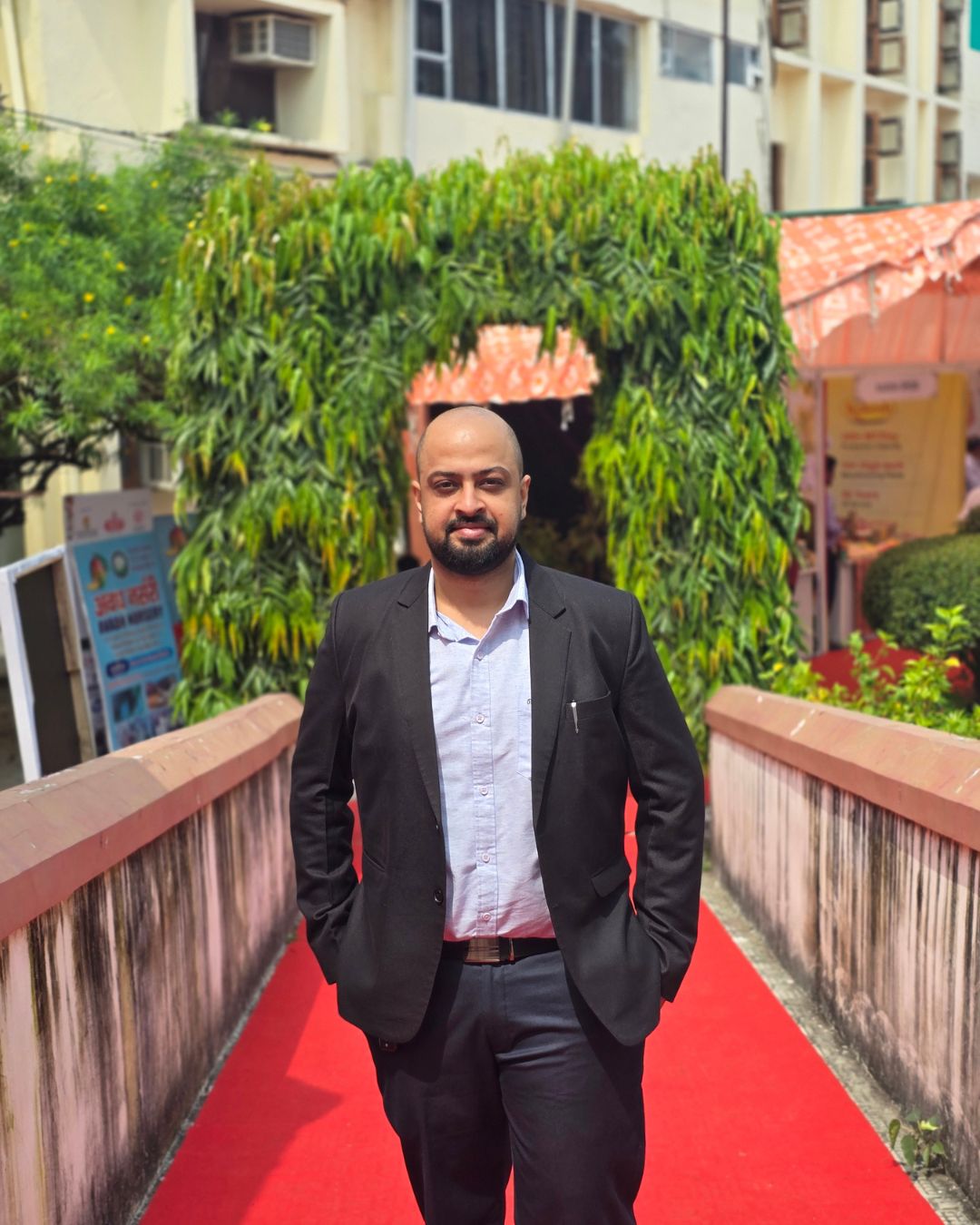
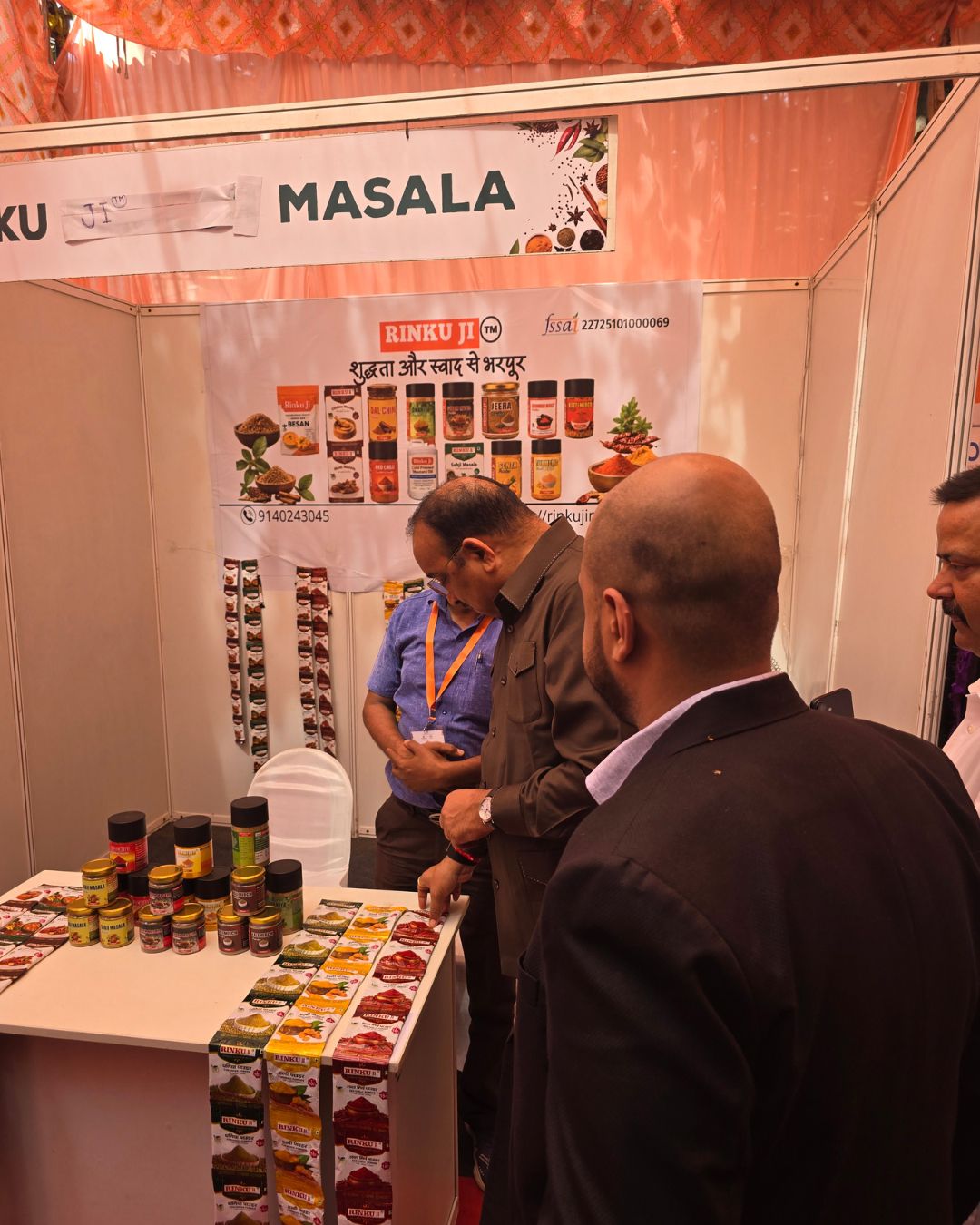
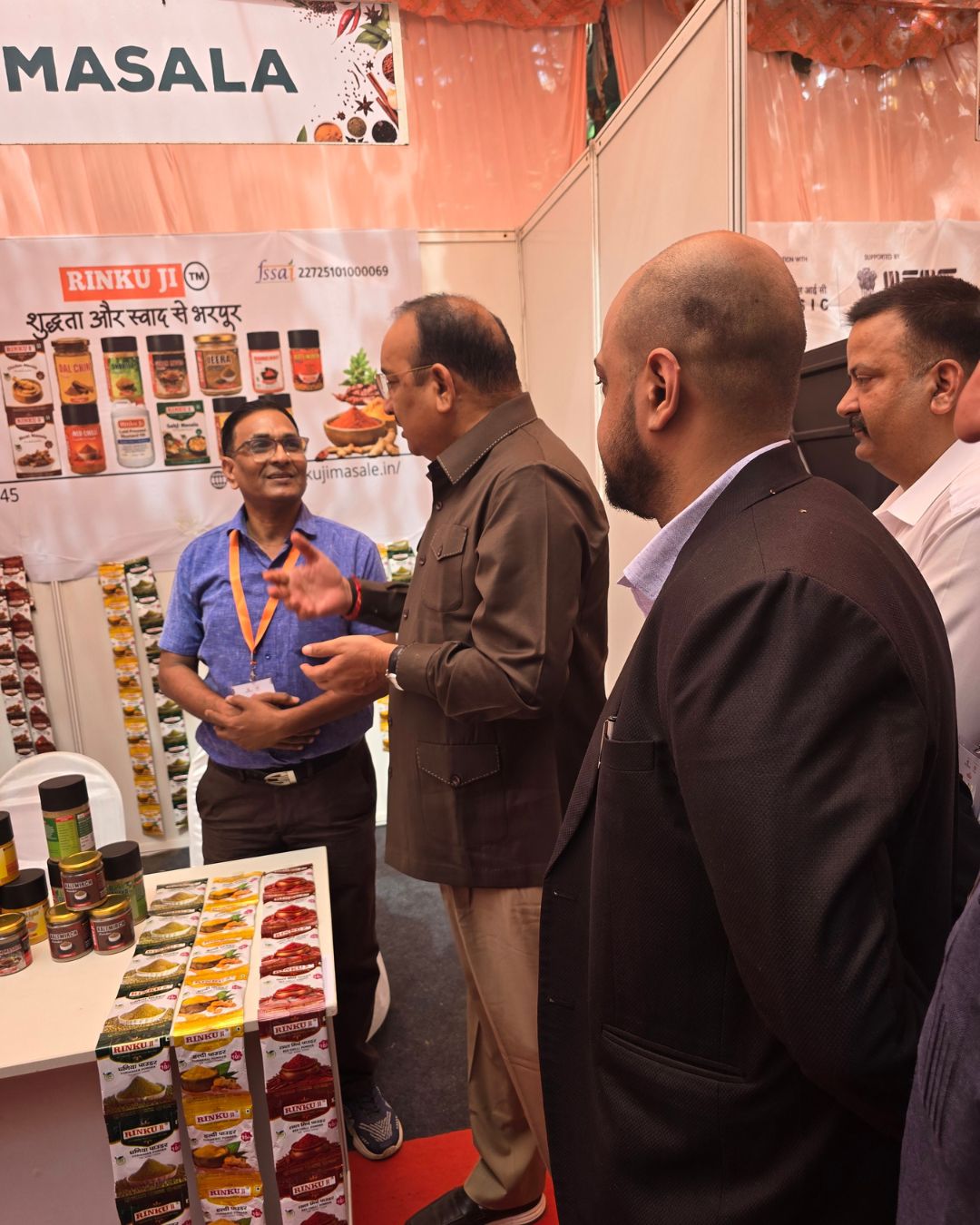
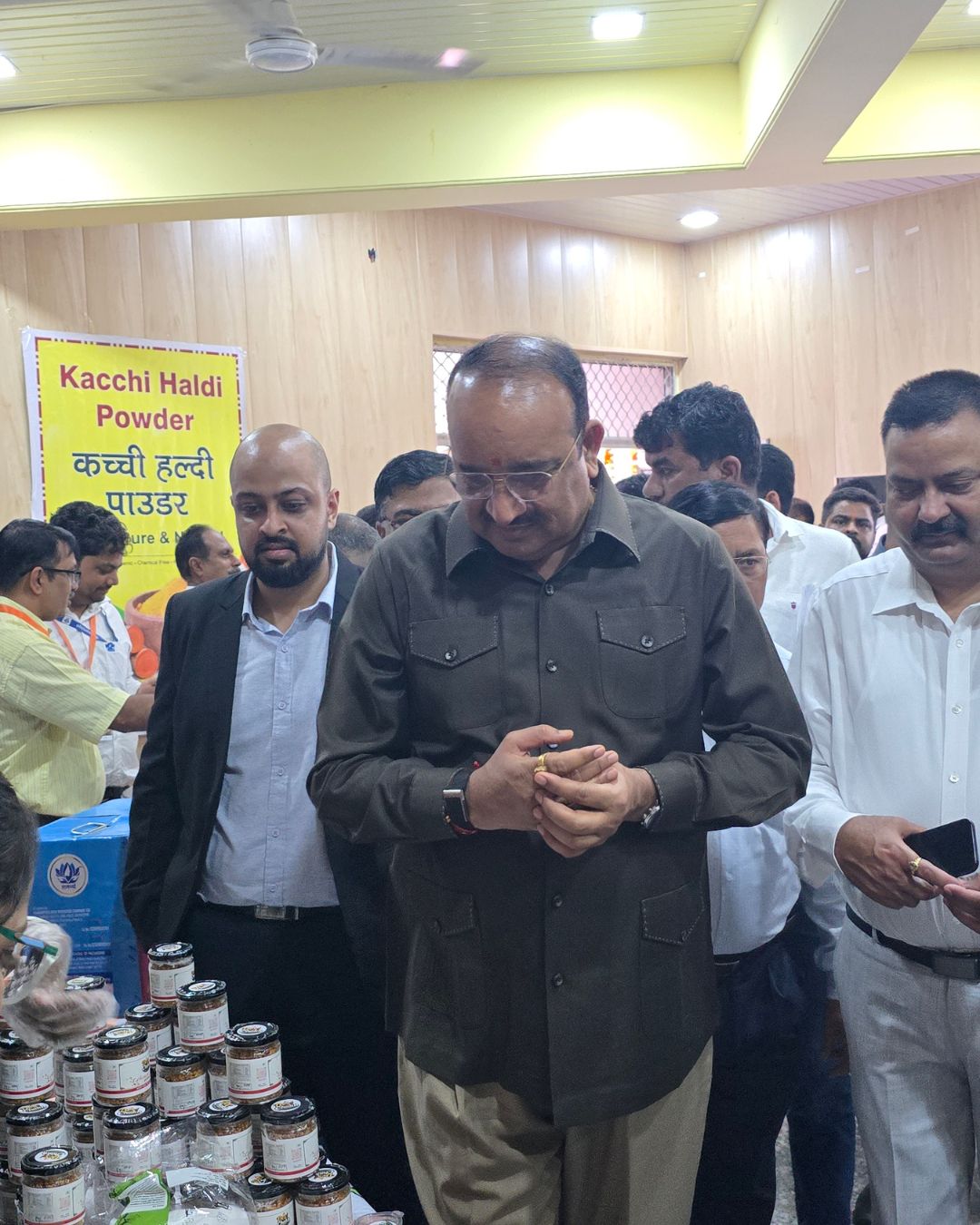
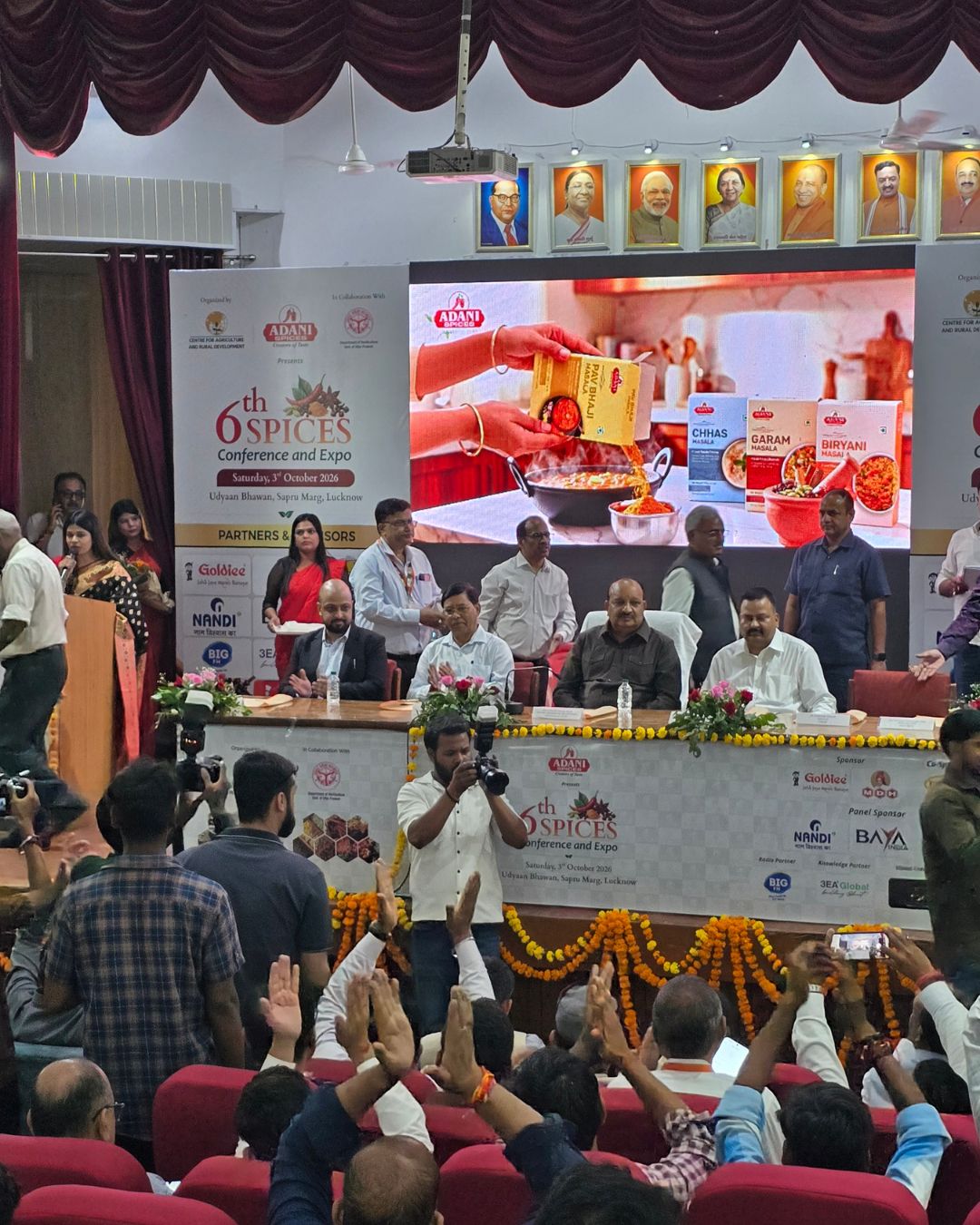
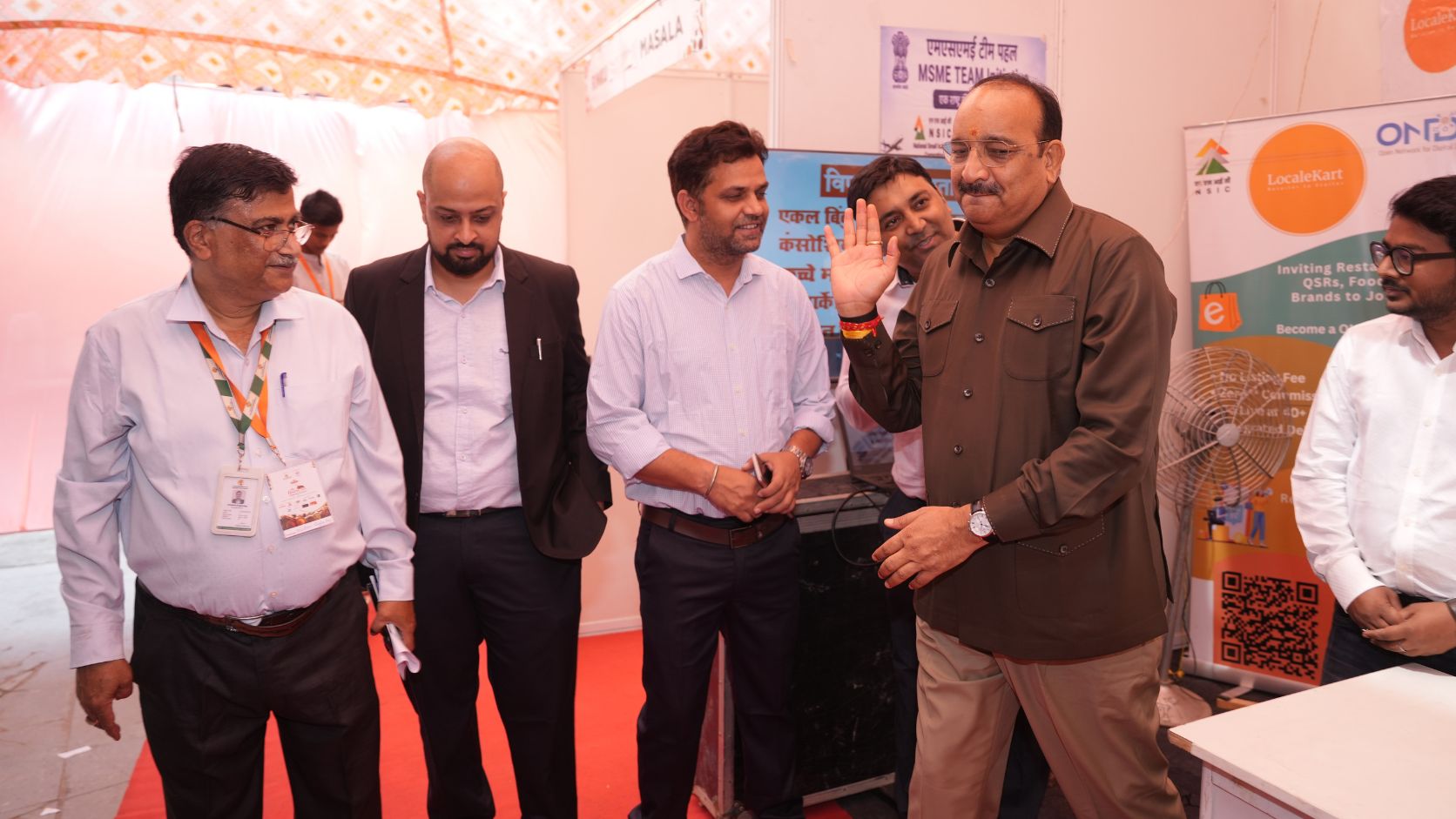
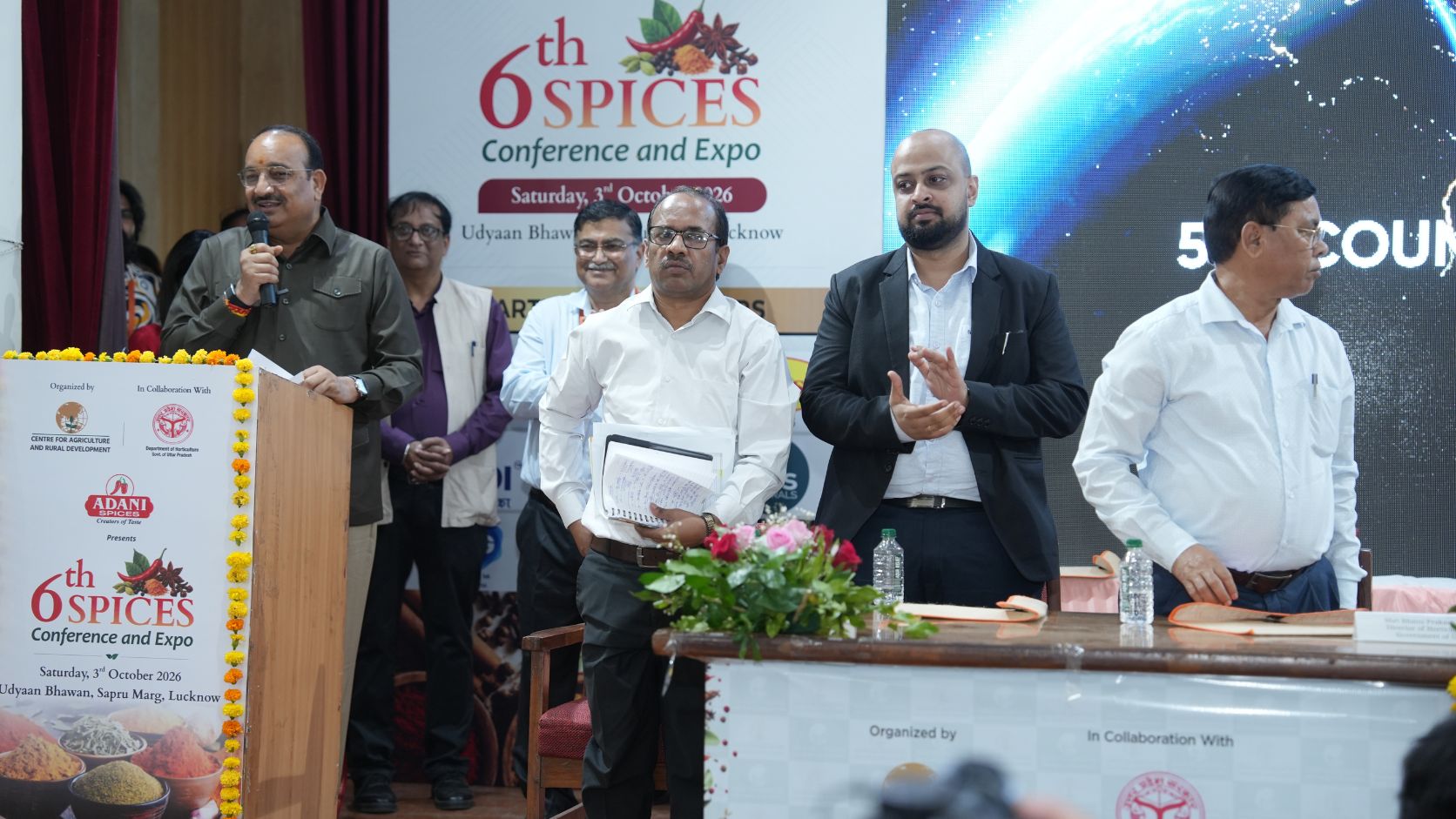
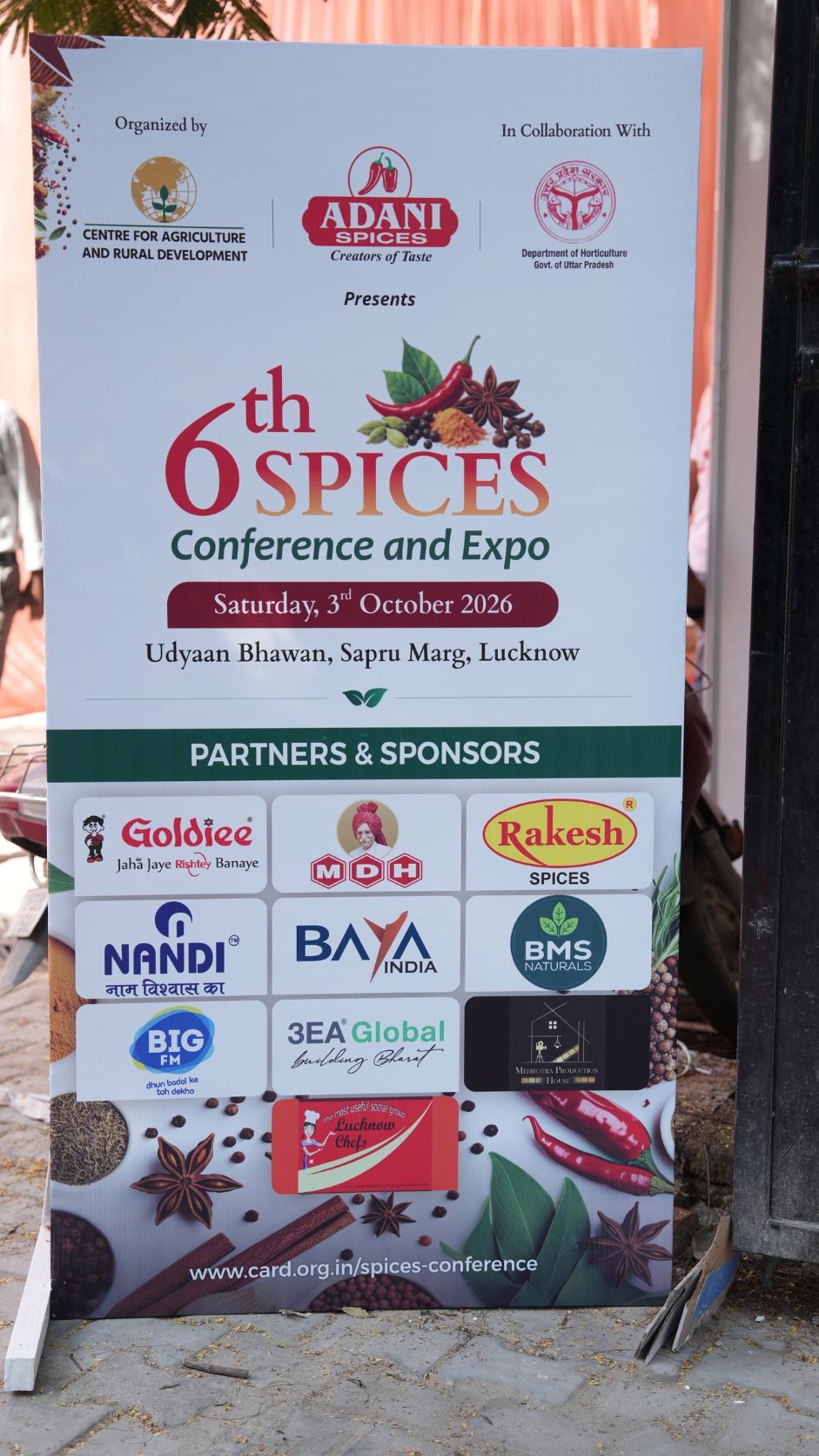
Lucknow: The 6th Uttar Pradesh Spices Conference & Expo 2026 was held at Udyan Bhawan, Lucknow, on October 3, bringing together senior government officials, policymakers, scientists, spice manufacturers, exporters, farmers, FPOs and industry experts to discuss the future of Uttar Pradesh’s spice economy. The conference was organised by the Centre for Agriculture and Rural Development (CARD), with 3EA Global as its Knowledge Partner.
The discussions
took place against the backdrop of India’s strong presence in the global spice
trade. According to the Spices Board, India exported 17.34 lakh tonnes of spices and spice products valued at ₹39,140.11
crore, or US$4.43 billion, during 2025–26. In the previous year,
2024–25, exports had reached an all-time high of 17.99 lakh tonnes valued at ₹39,994.48 crore. Chilli accounted for
27% of export earnings in 2025–26, while cumin and spice oils and oleoresins
contributed 12% each.
The conference
focused on how Uttar Pradesh could capture a larger share of this economic
opportunity through modern cultivation
practices, technology adoption, processing, quality assurance, market
intelligence and value addition, rather than concentrating only on
increasing production.
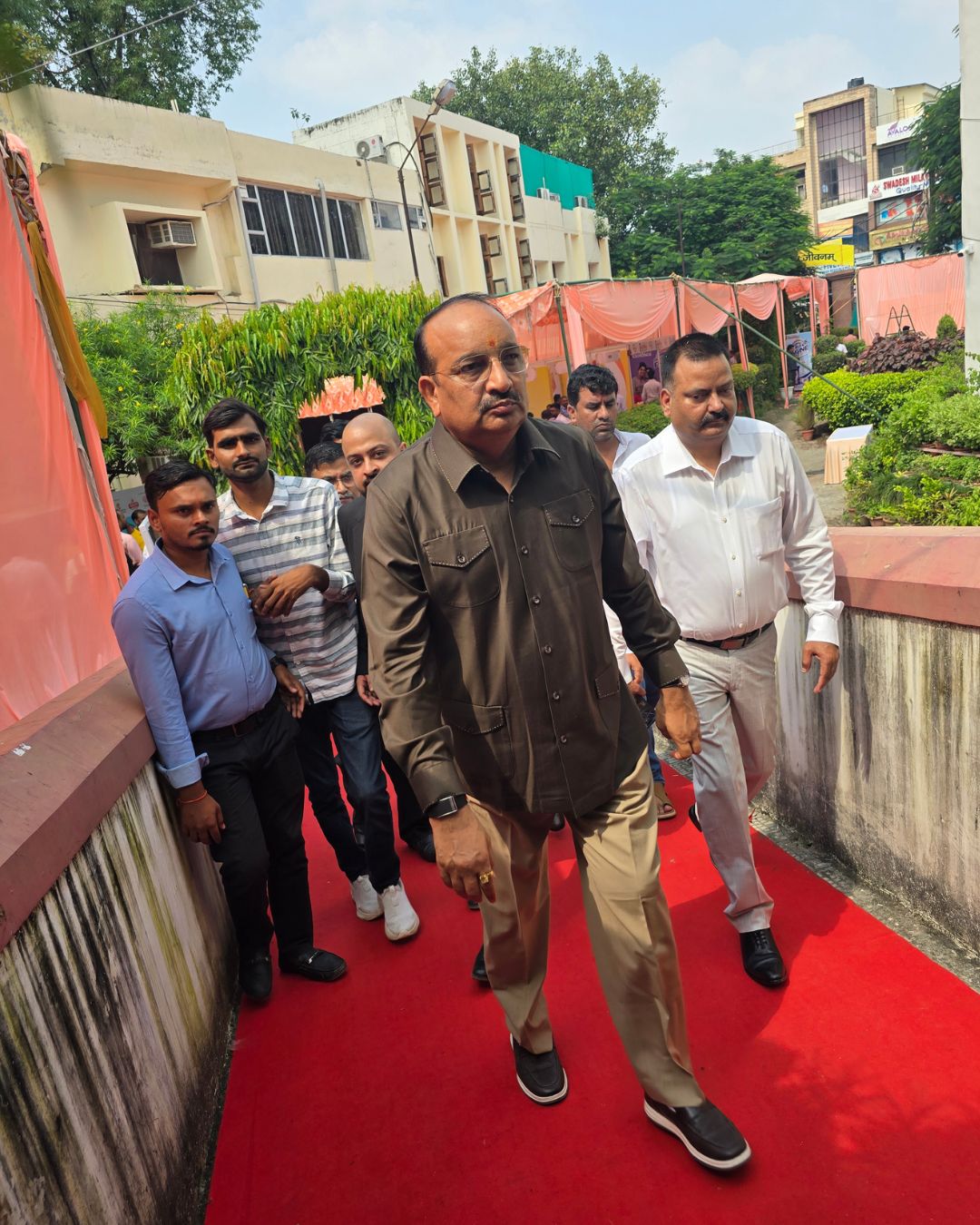
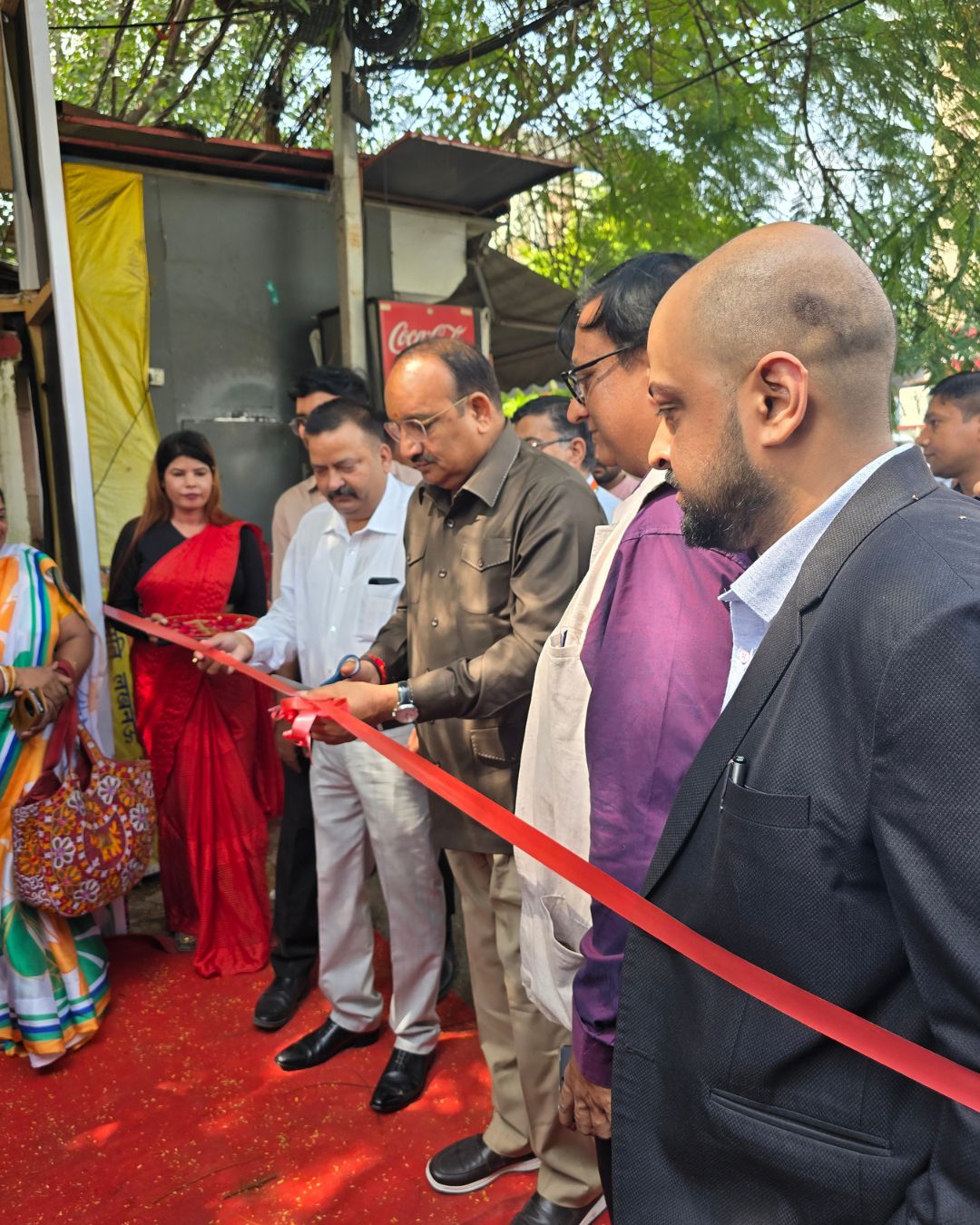
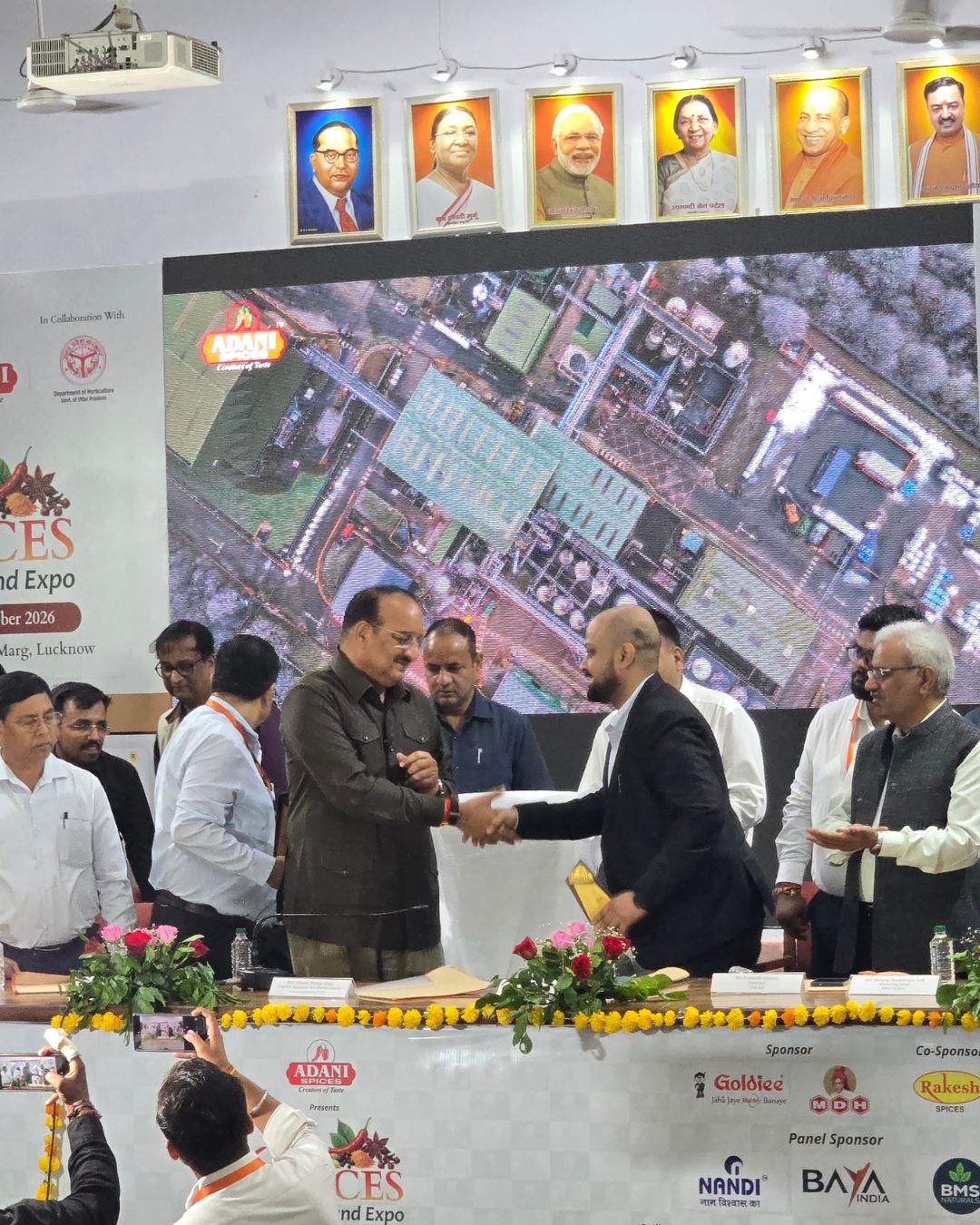
The inaugural
session was attended by Shri Dinesh
Pratap Singh, Hon’ble Minister for Horticulture, Government of Uttar Pradesh,
along with senior government and industry representatives including Shri B.L. Meena, ACS, Department of
Horticulture & Food Processing; Shri Raj Kamal Yadav, IAS, Special
Secretary; Shri Bhanu Prakash Ram, Director of Horticulture; Shri Mukesh
Bahadur Singh, IACC/ICFA; representatives of the Spices Board; scientists and
industry leaders.
A key strategic
perspective was presented by Dr. Vibhor
Mishra , CEO of 3EA Global, who highlighted the need to evaluate the
spice sector not merely by production volumes but by the economic value generated per kilogram, per
hectare and across the entire value chain.
The data, he noted,
showed why value addition had become increasingly important. During 2025–26, spice oils and oleoresins alone contributed
12% of India’s total spice export earnings, while curry powders and
pastes accounted for another 6%. The Indian spice export basket covered 225 spices and spice products and reached
more than 180 destinations globally, demonstrating the opportunity to
move beyond raw commodities towards processed ingredients, blends, extracts and
branded products.
Speakers also
deliberated on the role of technology in improving crop planning, productivity,
post-harvest management, quality compliance and market access. Technical
sessions featured representatives from Adani
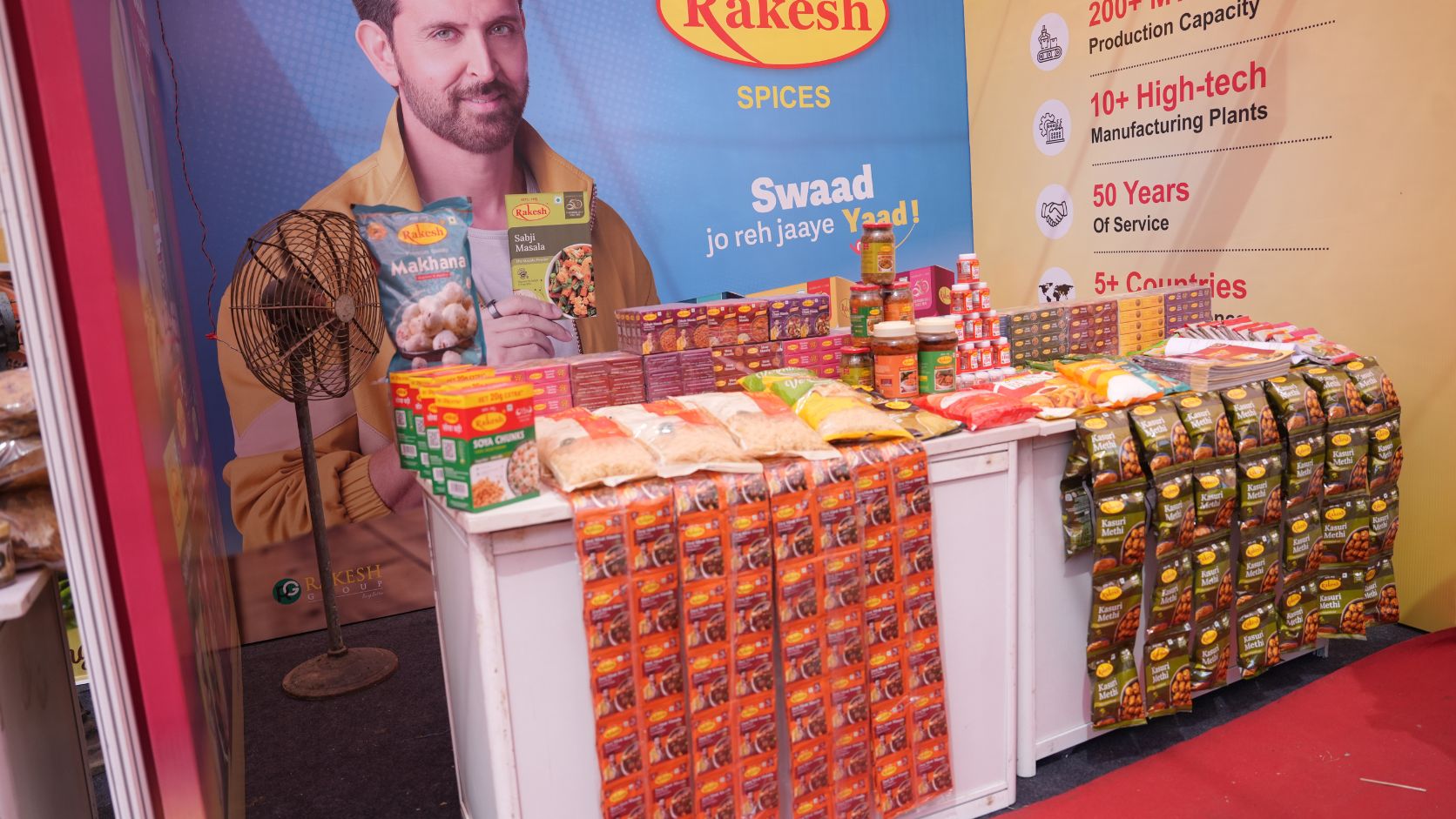
Spices, Rakesh Masala, MDH, Goldiee Spices, CIMAP, BBAU, the Horticulture
Department and the Food Processing Department, among other institutions.
The importance of
quality and export readiness was another major theme. India’s spice sector has
increasingly been required to respond to stringent international standards
relating to residues, food safety, consistency and traceability. The
discussions underlined that quality assurance needed to begin at the farm level
and continue through processing, testing, packaging and logistics.
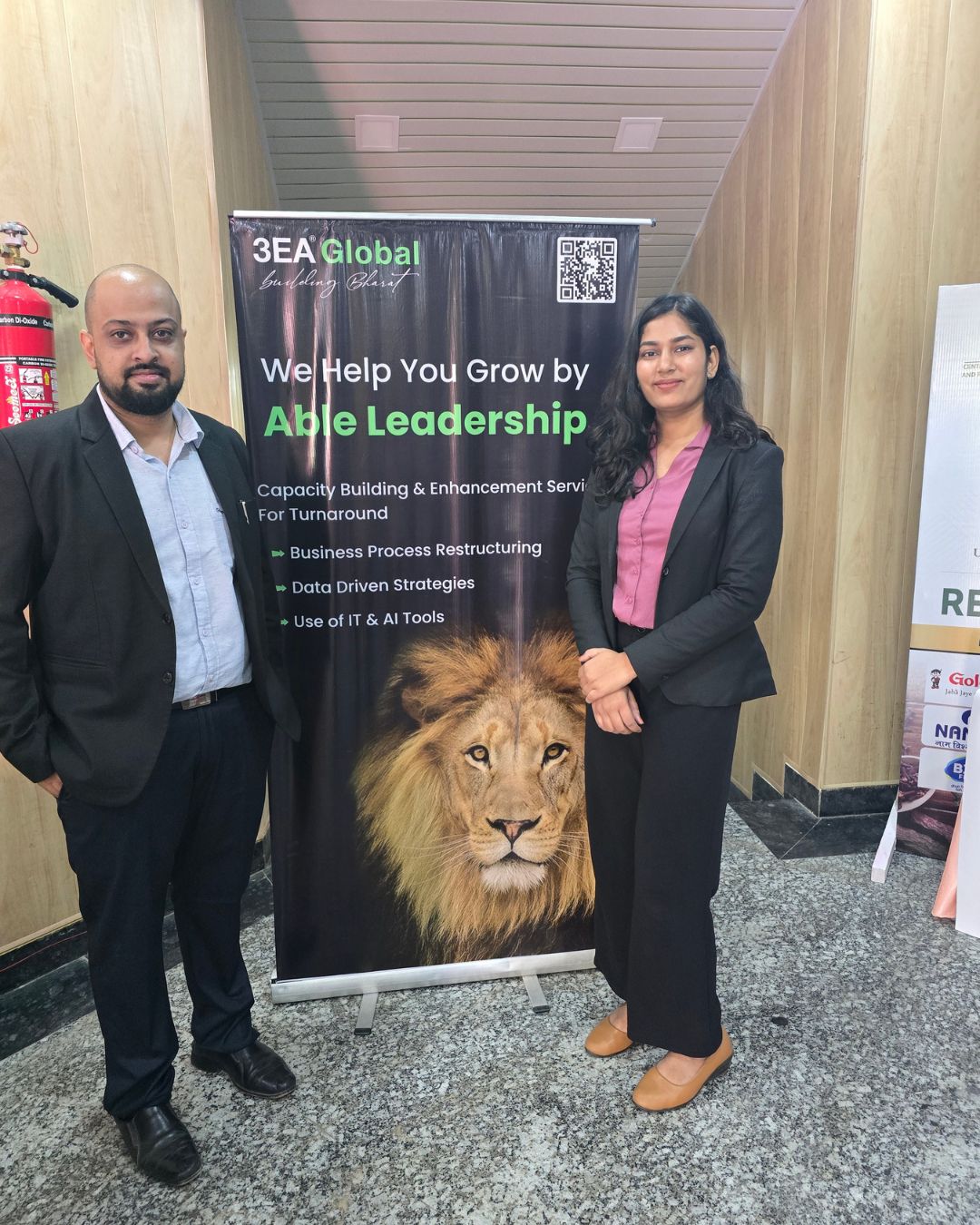
As Knowledge
Partner, 3EA Global brought a
strategy-led framework to the discussions, emphasising the integration of farmer knowledge, scientific research, data
intelligence, processing capacity, standards, finance and markets. The
underlying message was that these elements needed to work as one economic
ecosystem rather than as isolated parts of the supply chain.
The conference
included two technical sessions and a concluding session involving experts from
CARD, the Spices Board, NBRI, CISH, RFRAC and the Department of Horticulture,
followed by a cooking competition involving Lucknow chefs.
The conference
concluded with a clear strategic direction for the sector: to move from volume to value, from raw
commodities to value-added products, from fragmented information to data-driven
decisions, and from production leadership towards stronger value-chain and
market leadership.
Stay Connected: